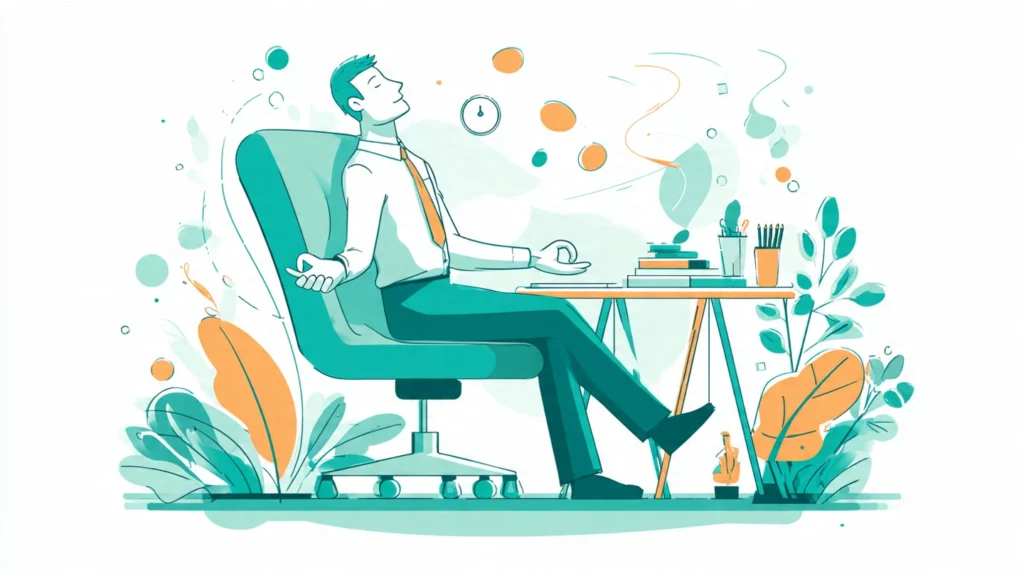
Introduction: Why Health and Career Feel Like Opposites
For many working professionals, health feels like a trade-off.
You often hear:
- “Right now, my career is the priority.”
- “I’ll focus on health once things settle down.”
- “I don’t want anything that disrupts my work routine.”
Over time, health becomes something postponed, adjusted, or compromised.
But here is the truth most people miss:
Wellness does not need to disrupt your career. Poorly designed wellness does.
The real problem is not lack of effort or discipline.
The problem is that most wellness advice was never designed for professional life.
This article explains how wellness can be designed around your career—so health improves without affecting productivity, focus, or growth.
1. The Reality of Professional Life and Health
Modern professional life demands:
- Long working hours
- High mental engagement
- Constant availability
- Tight deadlines
- Minimal recovery time
At the same time, the human body still requires:
- Regular movement
- Balanced nutrition
- Predictable meals
- Quality sleep
- Stress recovery
When these needs are ignored consistently, health problems begin to appear.
Common outcomes in working professionals:
- Weight gain
- Low energy and fatigue
- Digestive problems
- Rising blood sugar or blood pressure
- Hormonal imbalance
- Back, neck, and joint pain
These issues develop slowly—while career growth continues uninterrupted.
2. Why Most Professionals Fear “Wellness Programs”
Many professionals resist wellness plans because they associate them with:
- Extreme diets
- Time-consuming workouts
- Rigid schedules
- Social restrictions
- Disruption to work life
This creates a belief:
“If I focus on health, my career will suffer.”
In reality, the opposite is true.
When wellness is designed correctly, it supports career performance.
3. The Core Problem: Wellness Not Aligned With Professional Life
Traditional wellness advice assumes:
- Flexible schedules
- Predictable routines
- Ample personal time
Professional life rarely offers these conditions.
As a result:
- Diets are started but not sustained
- Exercise routines collapse under workload
- Sleep is compromised
- Stress becomes normalised
This leads to a cycle of guilt, inconsistency, and gradual health decline.
The issue is not motivation.
The issue is misalignment.
4. What “Wellness Designed for Professional Life” Really Means
Wellness designed for professional life follows different rules.
It is:
- Time-efficient
- Flexible
- Simple
- Repeatable
- Sustainable
It works within your workday, not against it.
At 2P Wellness, the core belief is simple:
Your health routine should fit your calendar, not fight it.
5. The Five Principles of Professional-Friendly Wellness
Principle 1: Simplicity Over Perfection
Professionals don’t need perfect routines.
They need simple habits that can be repeated daily—even on busy days.
Consistency matters more than intensity.
Principle 2: Nutrition First, Not Fitness First
For busy professionals, nutrition delivers the biggest return.
Smart nutrition improves:
- Energy levels
- Focus and clarity
- Weight control
- Blood sugar stability
Fixing nutrition reduces the pressure to “work out more.”
Principle 3: Structure Beats Willpower
Professionals succeed in careers because of systems.
Health should follow the same approach:
- Predictable meal structures
- Simple routines
- Minimal daily decisions
When structure exists, motivation becomes optional.
Principle 4: Recovery Is Non-Negotiable
Sleep and digestion are often sacrificed first.
Without recovery:
- Performance drops
- Stress hormones rise
- Fatigue increases
- Health deteriorates
Professional wellness prioritises recovery, not exhaustion.
Principle 5: Health Should Improve Productivity
If a health plan reduces energy, focus, or work output—it is poorly designed.
The right wellness system:
- Increases energy
- Improves concentration
- Enhances productivity
6. How Professionals Can Stay Healthy Without Disrupting Work
Start With Predictable Nutrition
A balanced, protein-rich start to the day:
- Reduces sugar crashes
- Improves focus
- Controls hunger
Eat With Structure, Not Emotion
- Protein in every meal
- Vegetables as the base
- Controlled refined carbohydrates
This stabilises energy and digestion.
Lighten the Dinner Load
Late, heavy dinners disturb sleep and recovery.
A lighter dinner improves sleep quality and morning freshness.
Move Consistently, Not Intensely
Short, daily movement:
- Improves circulation
- Reduces stiffness
- Supports metabolism
Consistency matters more than duration.
Protect Sleep Quality
Small improvements in sleep timing and screen habits create disproportionate health benefits.
7. Common Professional Objections (And the Real Answers)
- “I don’t have time.” You don’t need more time—you need better design.
- “My schedule is unpredictable.” Well-designed systems adapt.
- “I travel often.” Simple systems travel with you.
- “I can’t follow strict plans.” Professional wellness avoids strictness.
8. Redefining Health Success for Professionals
Health success is not:
- Extreme weight loss
- Rigid routines
- Short challenges
Real success looks like:
- Stable energy through the day
- Better digestion
- Controlled weight
- Normal blood sugar
- Quality sleep
- Mental clarity
Health should support career growth, not compete with it.
9. Why This Approach Works Long-Term
Wellness designed for professional life:
- Reduces stress
- Improves consistency
- Prevents burnout
- Supports longevity
It becomes part of life—not an extra task.
Conclusion: You Don’t Need to Choose Between Health and Career
The biggest myth professionals believe is that health and career cannot coexist.
The truth is simpler:
When wellness is designed correctly, it strengthens your career.
You don’t need extreme changes or disruptive routines.
You need simple habits, smart systems, and professional-friendly wellness.
Simple Habits. Big Impact.
Wellness designed for professional life.